

Fast Graph RAG for Agentic and Conversational AI

duohub is the only low-latency graph RAG to resolve complex queries in under 50ms.

Get demo
Trusted by engineers at companies of all sizes
ElevenLabs
Deakin University
Sarvam
Digbi Health
Rebil
Dimando
ElevenLabs
Deakin University
Sarvam
Digbi Health
Rebil
Dimando
ElevenLabs
Deakin University
Sarvam
Digbi Health
Rebil
Dimando
ElevenLabs
Deakin University
Sarvam
Digbi Health
Rebil
Dimando

Combine graph and vector RAG for the best of both worlds

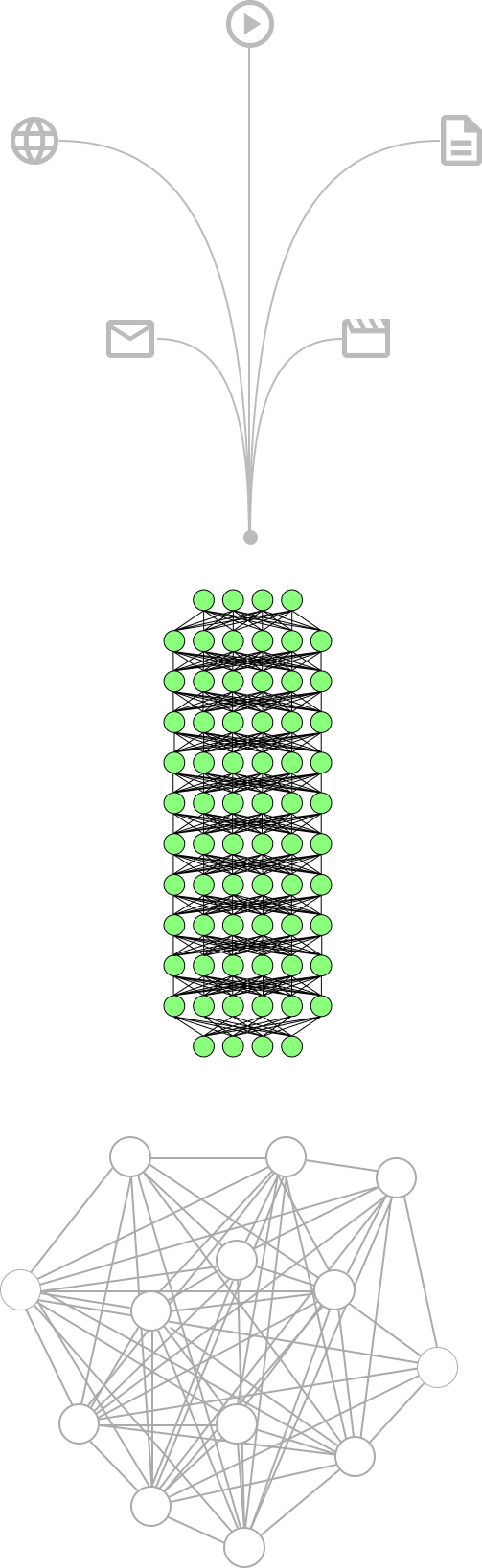
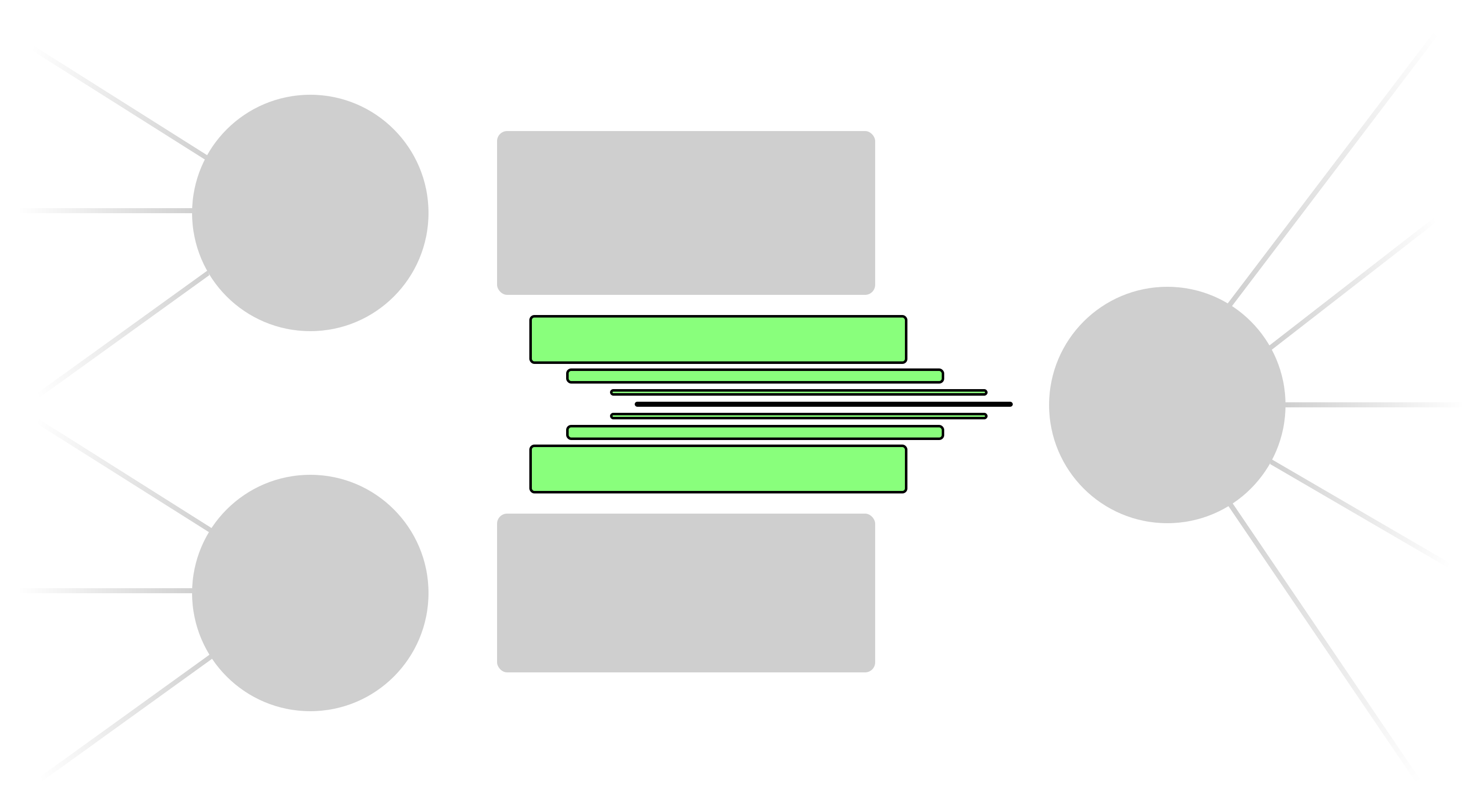
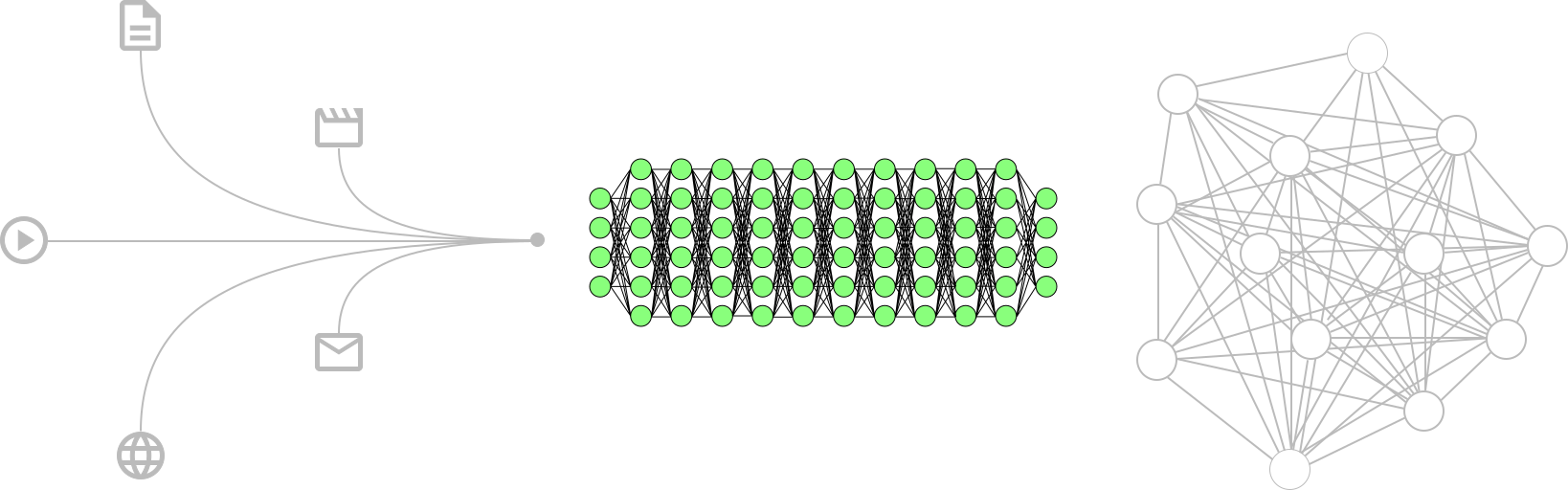
Achieve unrivalled precision and speed with hybrid vector + graph RAG to deliver the right answer every time in less time than it takes you to blink.

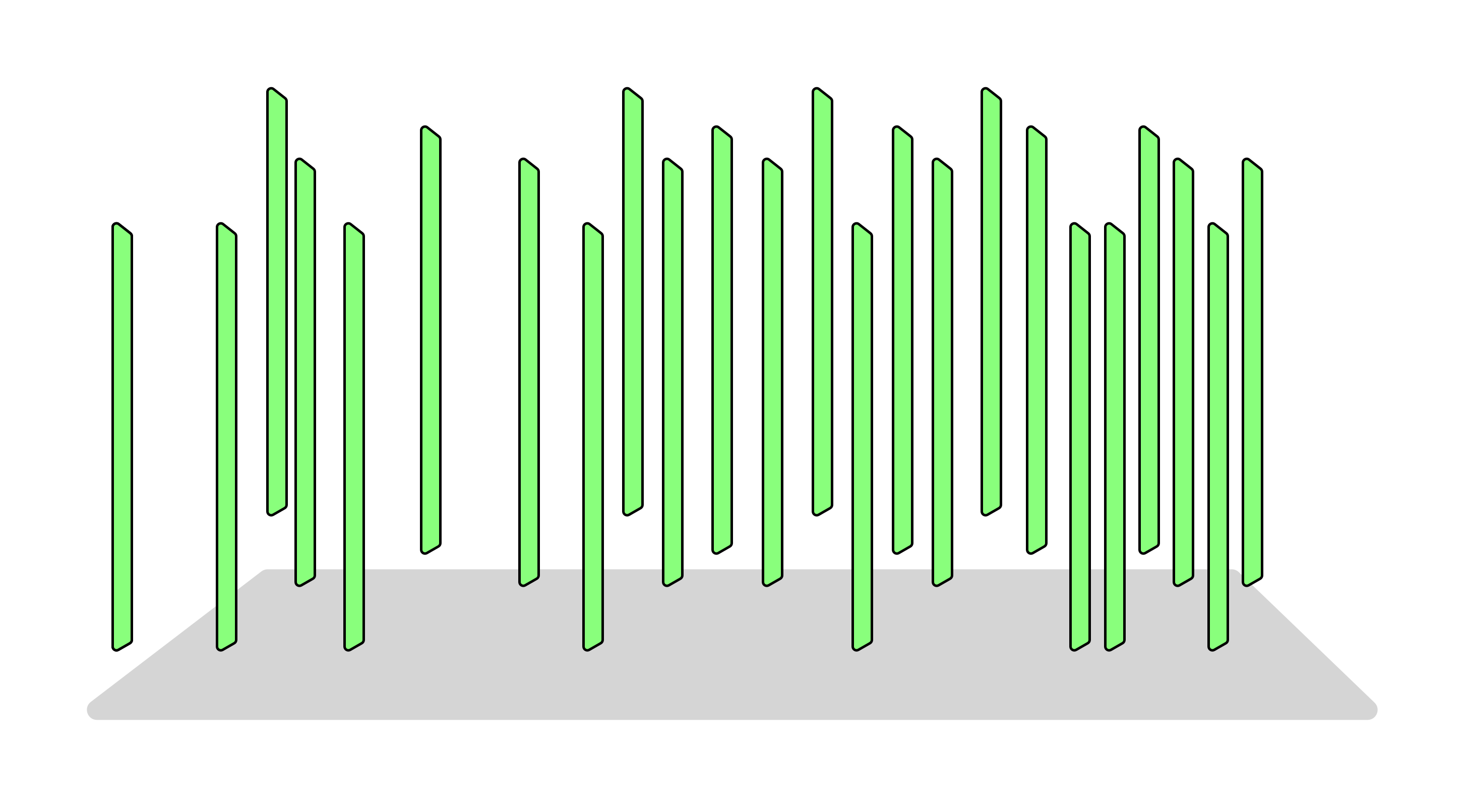
Vector


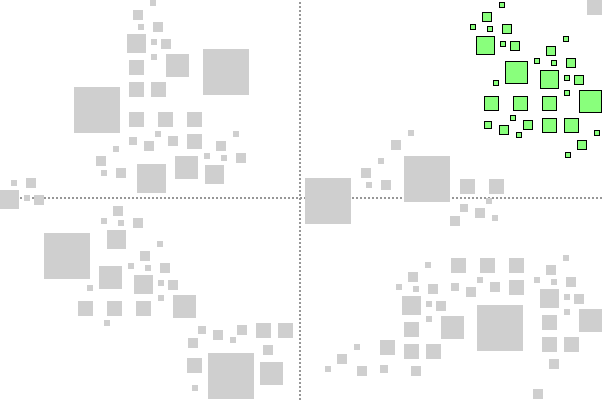
Vector similarity search visualization

Semantic similarity search with reranking

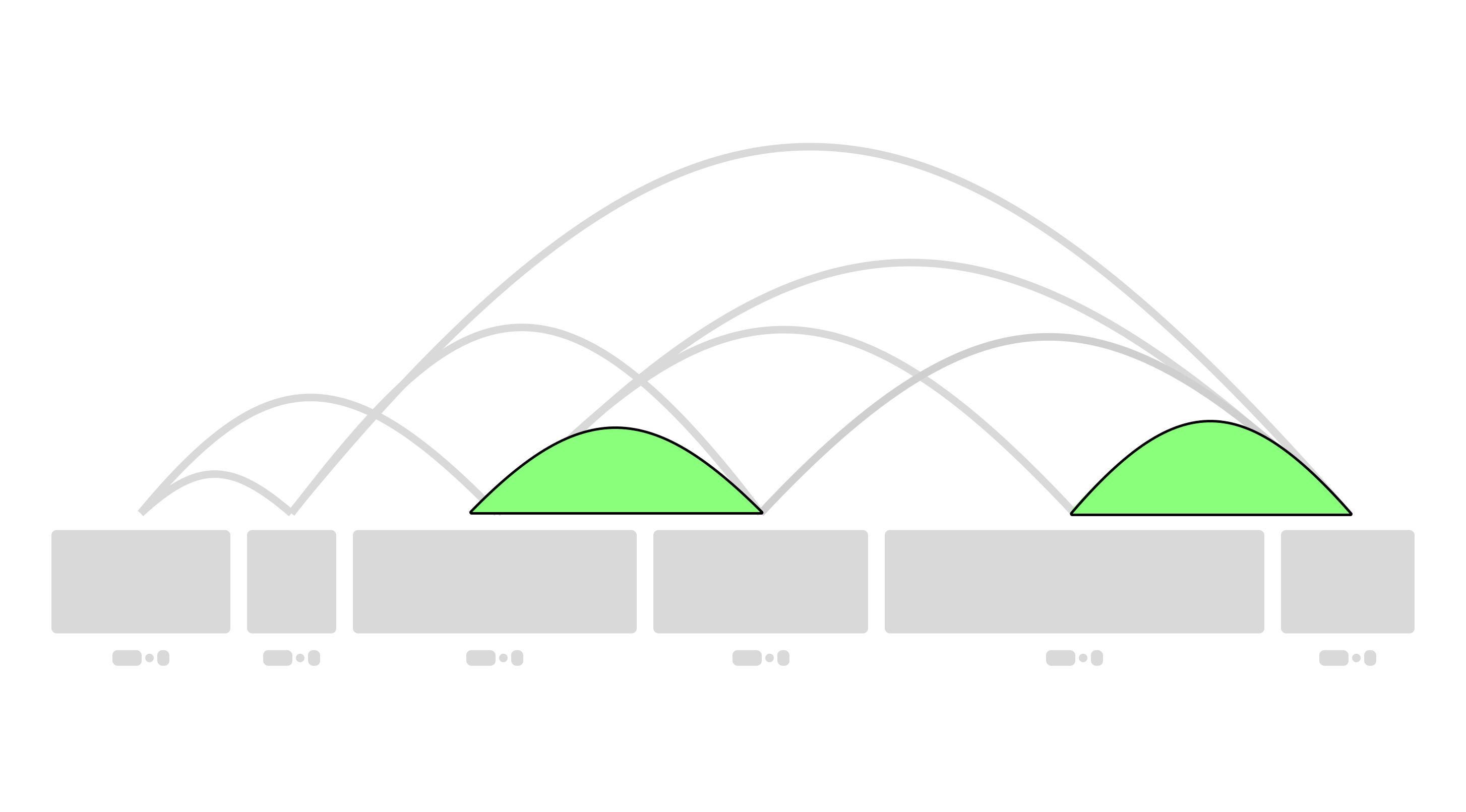
Graph


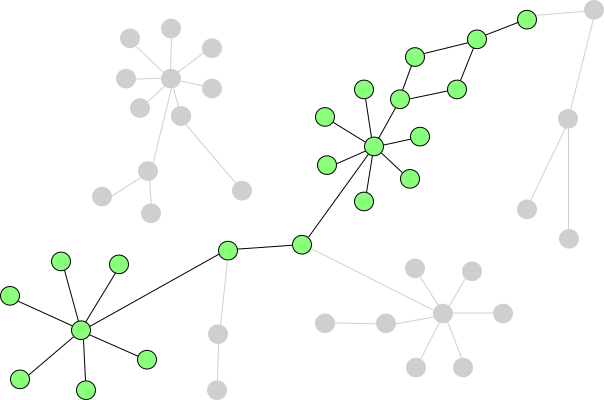
Graph traversal visualization

Deep query resolution with graph traversals
Sarvam logo

"We've become very familiar with the limitations of RAG, particularly for voice agents. I'm glad to say that we've been impressed with the performance of duohub. Our team is able to ship products for new use cases quickly without having to manage complex infrastructure."

Aashay Sachdeva

Aashay Sachdeva

Founding Team - AI/ML at Sarvam
Build domain-specific knowledge graphs

Our bespoke graph generation models are trained on intricate ontologies to build graphs that closely fit your data domain.

Vector
Vector

Start with one of our pre-trained ontology models today, or submit data to create an ontology tailored to your domain.

How do ontologies work?

Provide Structure and Reasoning


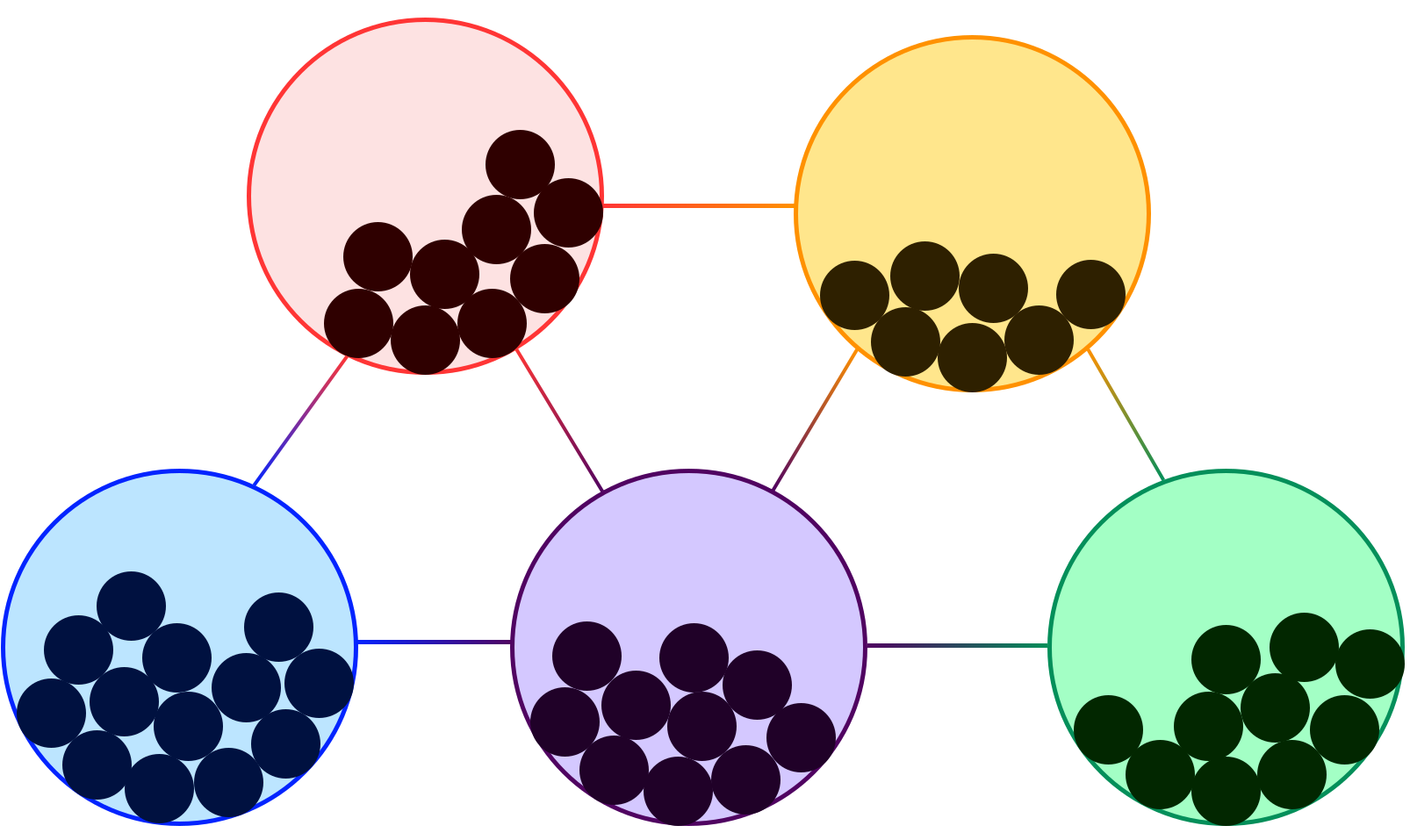
Ontology structure visualization

An ontology creates a structured map of your data by defining what types of information can exist and how they are allowed to relate.

Enable Efficient Classification


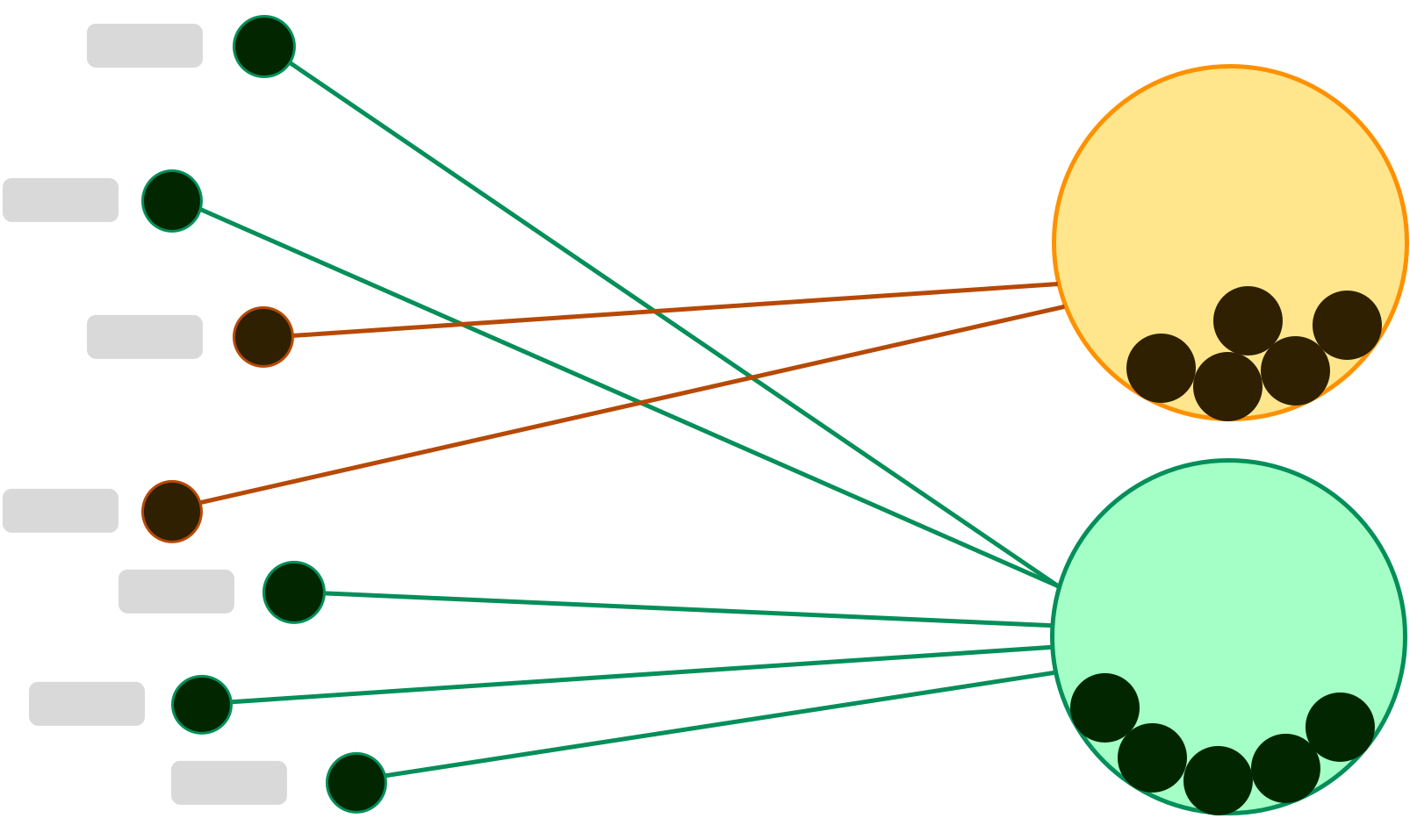
Ontology classifier visualization

When new information enters your system, the ontology automatically classifies it into the right categories according to your ontology.

Infer Connections In Your Dataset


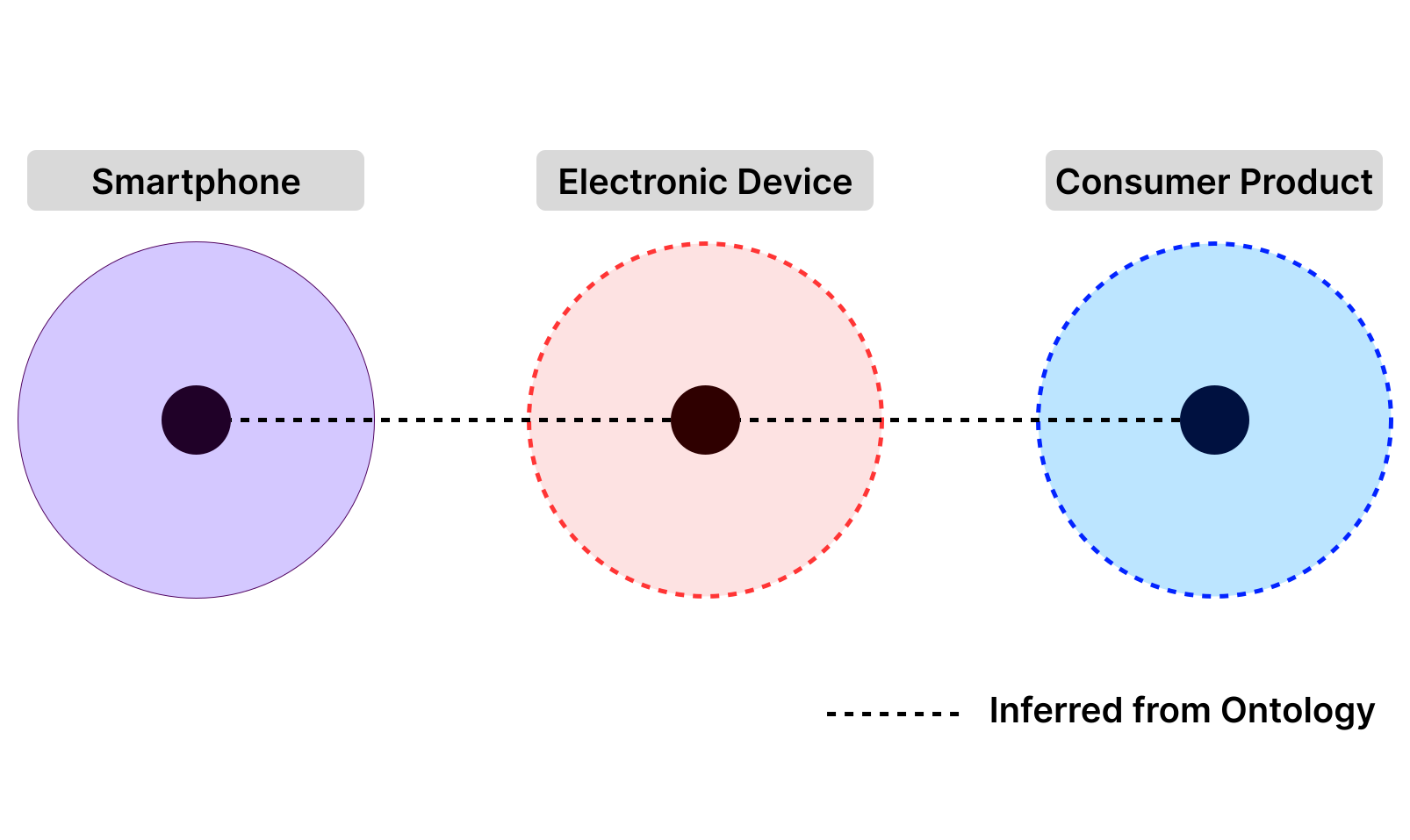
Ontology reasoning visualization

When you ask, 'What electronic devices do you offer?', your RAG system has explicit connections between Electronic Devices and Smartphones.
Get demo

Use a pre-trained ontology or build your own

Pre-trained Ontology Library


Ontology prebuilt visualization

Launch in minutes with battle-tested ontologies that understand common business patterns like customer support, product information, sales lead evaluation, and document management.

Custom Ontologies


Ontology custom visualization

Describe your data and goals in plain language, and our bespoke models create an ontology that maps your entities, defines relationships, and encodes your business logic for your specific needs.
Get demo

Make one API call for all pre and post-processing

Coreference Resolution


Coreference resolution visualization

A precursory, but often overlooked step, coreference resolution improves the performance of all down-stream processing by making explicit who or what pronouns such as "he", "she", "it" and "they" are referring to in your texts.

Fact Extraction


Fact extraction visualization

Optionally extract all key facts from your data, enabling compression of large volumes of information without sacrificing accuracy. Our fact extraction models specialise in extracting atomic units of meaning as single sentence statements.

Entity Resolution


Named entity recognition visualization

Find and merge multiple instances of the same entity under different names in your graph to further increase query resolution. Have confidence that a single entity in your graph is represented by a single node in your graph.
Get demo

Integrate with your stack in minutes, not months

Start querying your knowledge base with just three lines of code. No complex setup, no infrastructure headaches.

pip install duohub
from duohub import Duohub
client = Duohub()
result = client.query("Where is Ryan going in two weeks?")
PipecatAWS LambdaCloud Run
Supabase

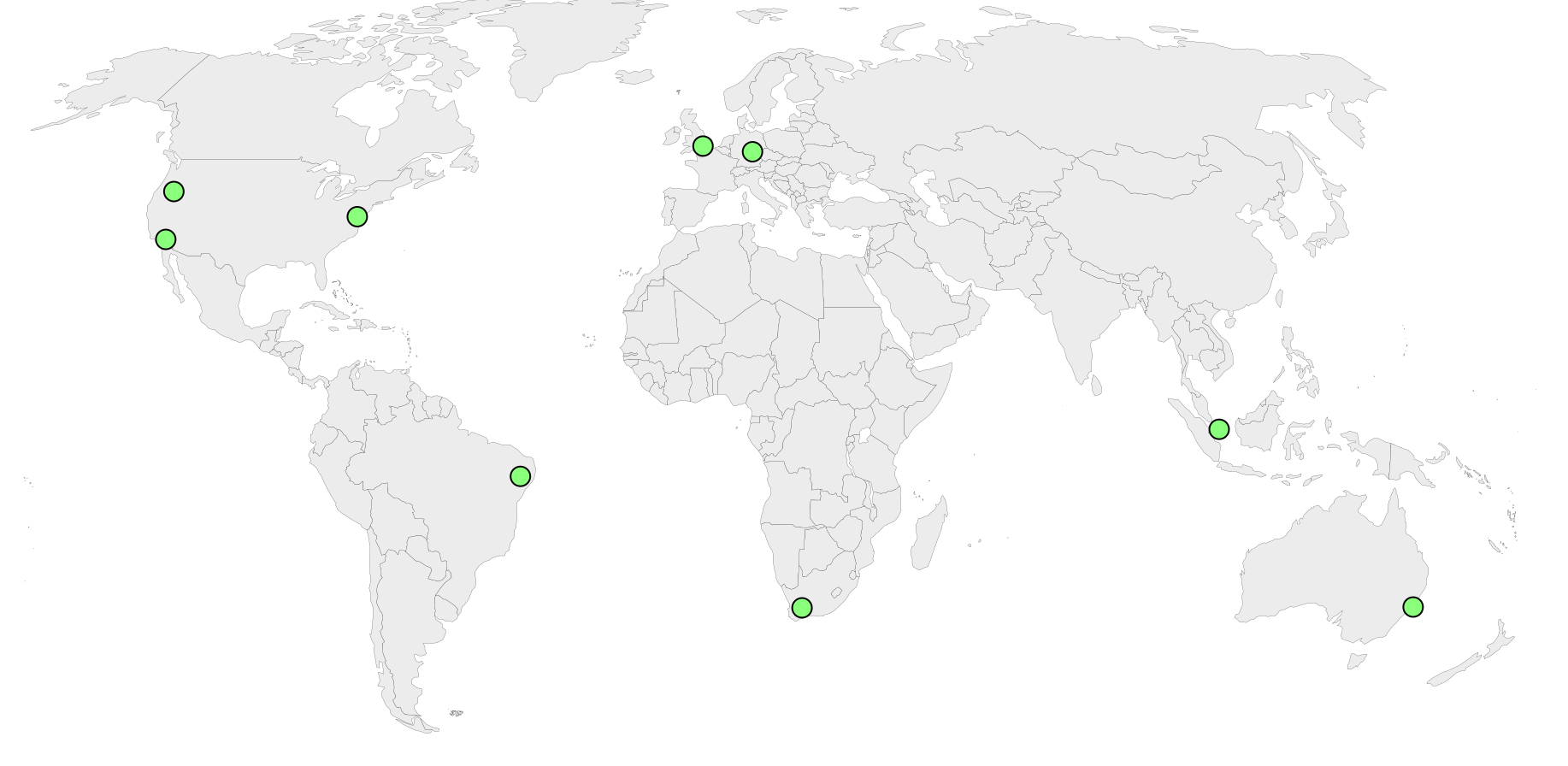
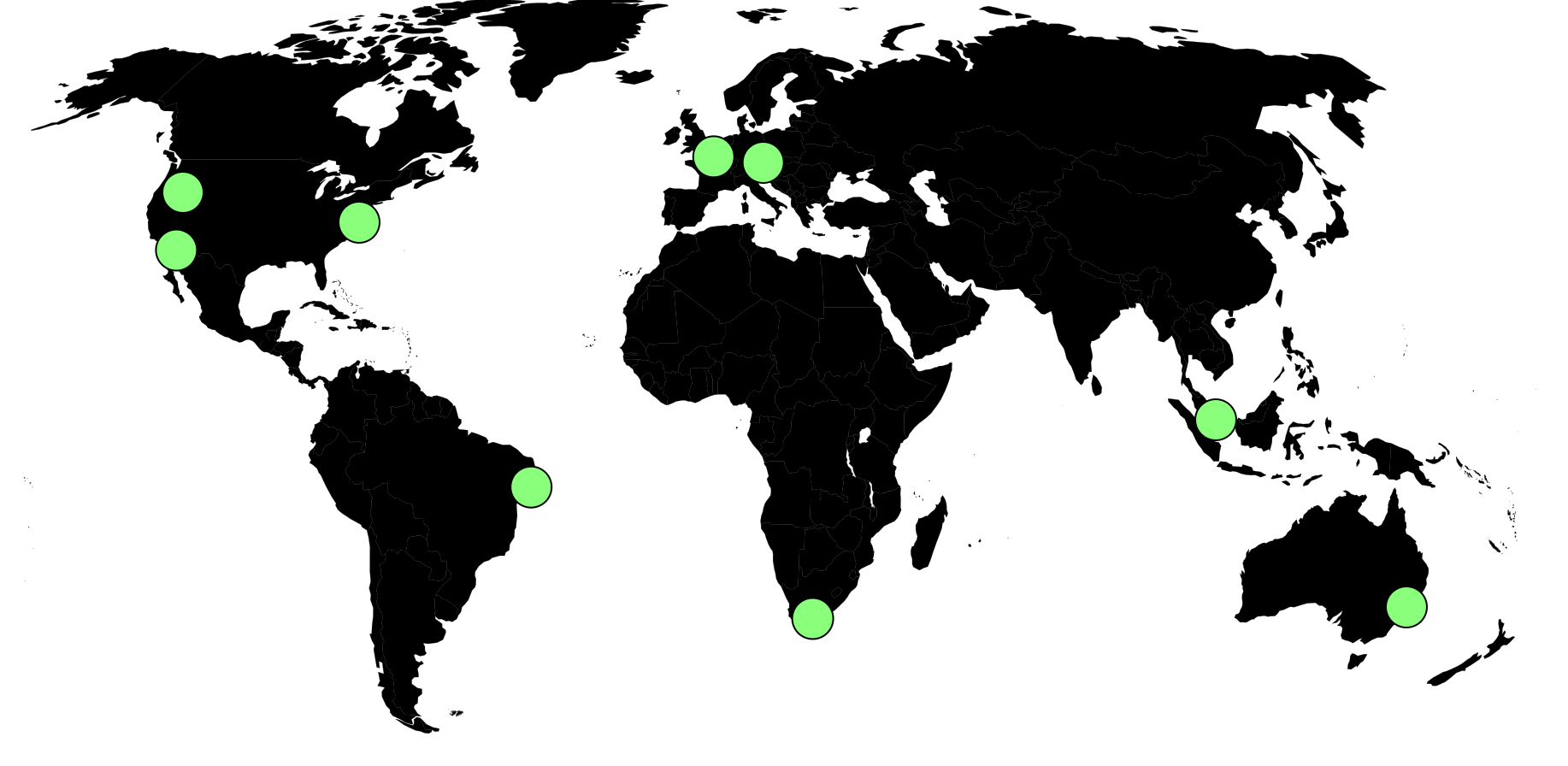
Scale to millions of queries, globally

Data is replicated in 3 locations by default, with more regions available to be added. This contributes to a low-latency experience, with most subgraph queries returning in under 50ms.

Vector
Vector
Vector

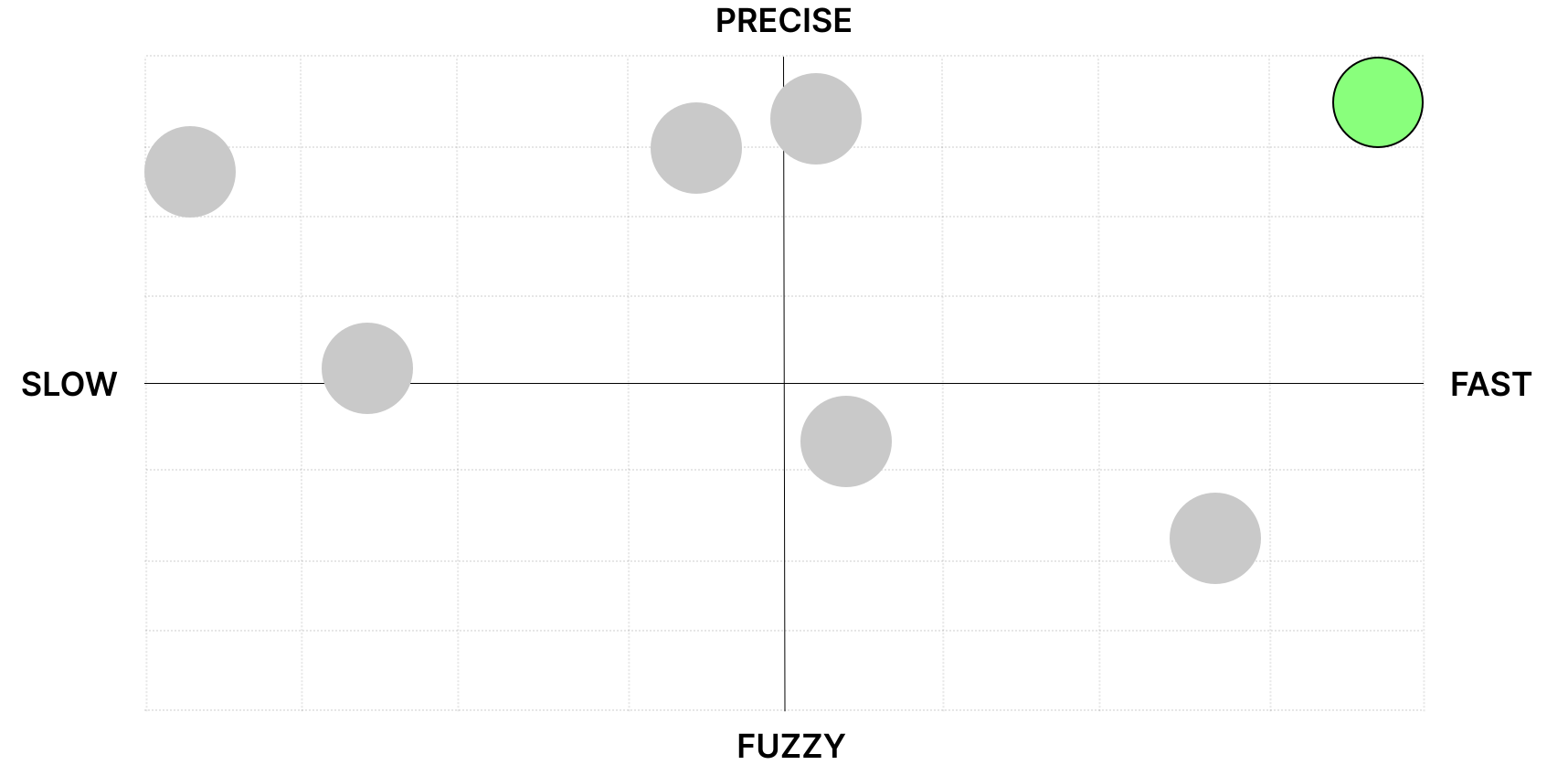
Fast or right.
Choose both.

Most solutions force you to compromise: speed or accuracy, latency or precision. Not anymore. Combine the best of both worlds to deliver experiences with conversational AI that leave your customers speechless.

Logo

Solutions you know

Hundreds of thousands of dollars, specialised resources, months to production

Latency

0ms

Live by

December?
Logo

duohub

World-class, production-ready infrastructure you can count on today

Latency

0.00ms

Live by

Today

Pay only for what you use


Graph Generation

Volume rate (per 1k tokens)

*Automatic discounted rate at scale.

$0.0050*


Storage

Volume rate (per GB-day)

*Automatic discounted rate at scale.

$0.3285*


API Requests

Volume rate (per request)

*Automatic discounted rate at scale.

$0.0050*


Level up your enterprise

On-Premise Retrievers

Own your data and get the lowest latency with on-premise retrievers deployed within your VPC

Custom Ontologies

Fit your data domain with custom ontologies and train models to generate graphs from your own data

More GPU

Get more GPU and compute priority when powering graph generation models for faster ingestion

FAQ

Graph RAG (Retrieval Augmented Generation) combines traditional vector-based retrieval with graph-based knowledge representation. This allows for more precise and contextual information retrieval by leveraging both semantic similarity and structured relationships in your data.

Ontologies provide a formal structure for representing domain knowledge, relationships, and rules. This structured approach enables more accurate reasoning, better context understanding, and improved query resolution compared to simple vector-based retrieval.

Our system is designed for high performance with most subgraph queries completing under 50ms. With data replicated across three locations by default, you can expect consistent low-latency responses globally.

Yes! While we provide pre-trained models, enterprise customers can train models on their own ontologies to better fit their specific data domains and use cases.